What Information Should an Online Florist Never Request?
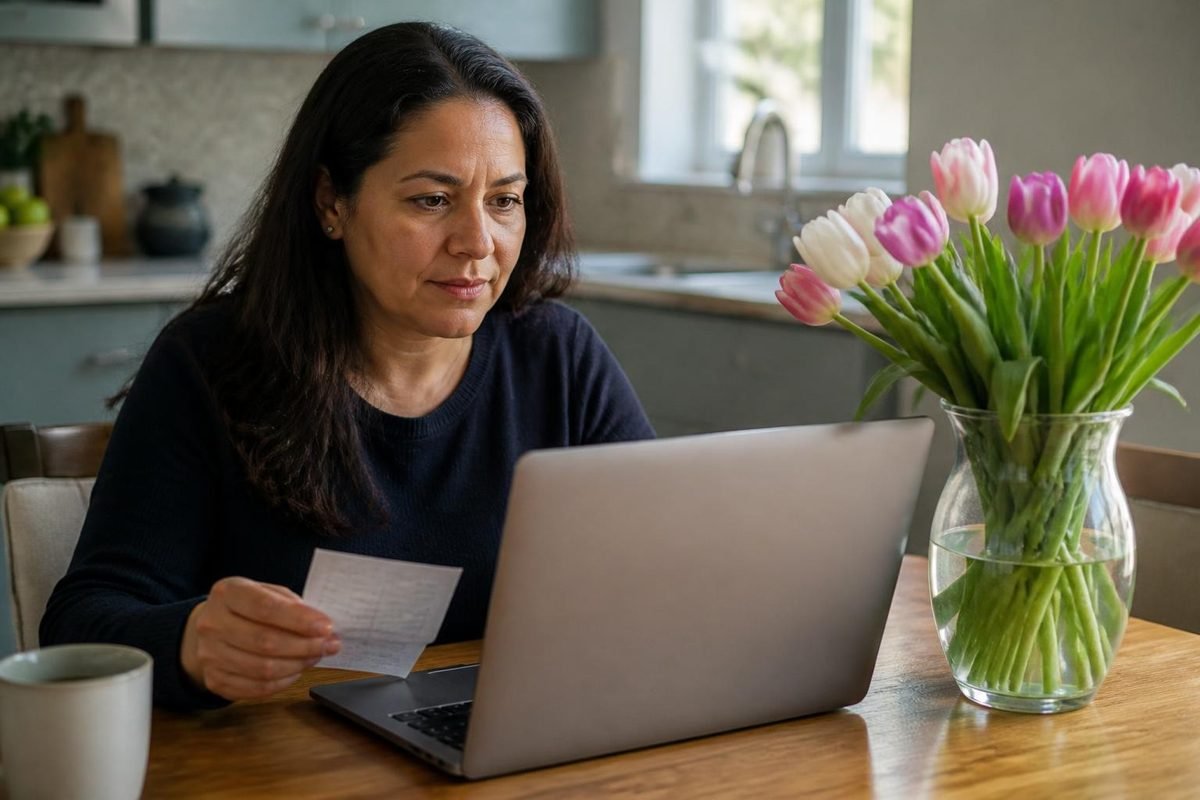
An online florist should never ask for your banking password, card PIN, or a one time security code to process an order. Those details do not help arrange flowers or get them to the right door, and giving them away could put your accounts at risk.
Keep passwords and security codes private
Your bank login belongs to you. A florist may need payment through a secure checkout, but it has no reason to ask for the password you use to access your bank account, email, or another service.
The same goes for a card PIN and the answers to security questions. Never share a one time code sent by text, email, or an authentication app, even if someone claims it is needed to confirm your bouquet. That code may let someone sign in to an account or approve a payment.
Be cautious if a caller claims to be from the florist and asks you to read out a code. Urgency does not make the request legitimate. A drooping tulip can wait while you check.
Know what a normal order needs
A florist usually needs the recipient’s name and delivery address, a delivery date, and a way to contact you about the order. A recipient’s phone number may also help the driver find the address or arrange delivery. If you include a card message, avoid putting sensitive information in it.
At checkout, you may be asked for your card number, expiry date, security code, and billing address. Enter these only into a payment page you trust. A florist should not ask you to send card details in an ordinary email, a social media message, or a text.
A request for a copy of your passport, driver’s licence, or bank statement is not normally needed for a flower order. Some orders with restricted products may involve an age check, but a vague request for identity documents deserves careful scrutiny.
Watch for requests that arrive after checkout
A message about a failed delivery or an extra payment can look convincing, especially when you are expecting flowers. It might ask you to click a link, enter your banking password, or provide a code. Check the order through the florist’s site or contact the florist using details you find independently, rather than relying on the message.
Be wary of anyone who asks you to install software or give them remote access to your device to fix an order. A delivery update should not require someone else to take control of your screen.
What to do if you have shared information
- Contact your bank or card provider promptly if you shared payment details, a PIN, or a banking code. Use the number on your card or another trusted source.
- Change any password you shared, starting with the affected account. If you used it elsewhere, change it on those accounts too.
- Contact the florist through a verified channel to check the order, and watch your accounts for activity you do not recognise.
Keep the order details a florist genuinely needs close at hand, and keep your passwords and security codes to yourself. A careful pause is a small price to pay for peace of mind.
Related reading: https://kunstforum-piaristen.com/blumen-als-motiv-in-europas-kunsthauptstaedten-von-wien/